
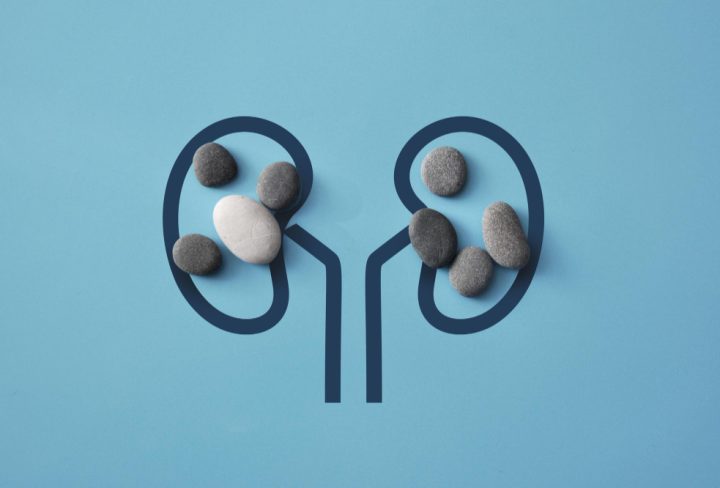
What Are Kidney Stones?
Kidney stones are small, hard deposits that form inside your kidneys. They can cause pain and other symptoms as they move through your urinary tract. Because symptoms of kidney stones can start suddenly, it is important to know what to watch for. Early signs of kidney stones can help you get treatment before problems get worse.
Common Symptoms of Kidney Stones
Kidney stones can cause a range of symptoms. Some people may not notice any signs until the stone moves. However, most people will feel discomfort or pain. Common symptoms include:
For many, pain from kidney stones is the most noticeable symptom. It can be very strong and may move as the stone travels.
Early Warning Signs to Watch For
Sometimes, early signs of kidney stones are mild. But catching them early can help you avoid severe pain. Look for these warning signs:
Even if these signs seem minor, it is wise to pay attention. Early treatment can prevent bigger problems later.
Severe Symptoms: When to Seek Medical Help
Sometimes, kidney stones can cause serious symptoms. If you notice any of the following, seek medical help right away:
These symptoms may mean the stone is blocking your urinary tract or causing an infection. Because these problems can be dangerous, do not wait to get help. According to the CDC, fast treatment can prevent kidney damage and other serious issues.
How Symptoms May Differ by Age or Gender
Kidney stone symptoms can be different for each person. For example, men often feel pain in the groin or testicles. Women may notice pain in the lower belly. Children may have belly pain, nausea, or may seem more tired than usual. However, the main symptoms—pain, blood in urine, and trouble urinating—are common in all ages. If you or your child has these signs, talk to a doctor.
Frequently Asked Questions About Kidney Stone Symptoms
Conclusion: Take Action for Your Health
In summary, knowing the symptoms of kidney stones can help you get care quickly. If you notice pain, blood in your urine, or other warning signs, do not ignore them. If you notice any symptoms of kidney stones, consult a healthcare specialist for personalized advice.